
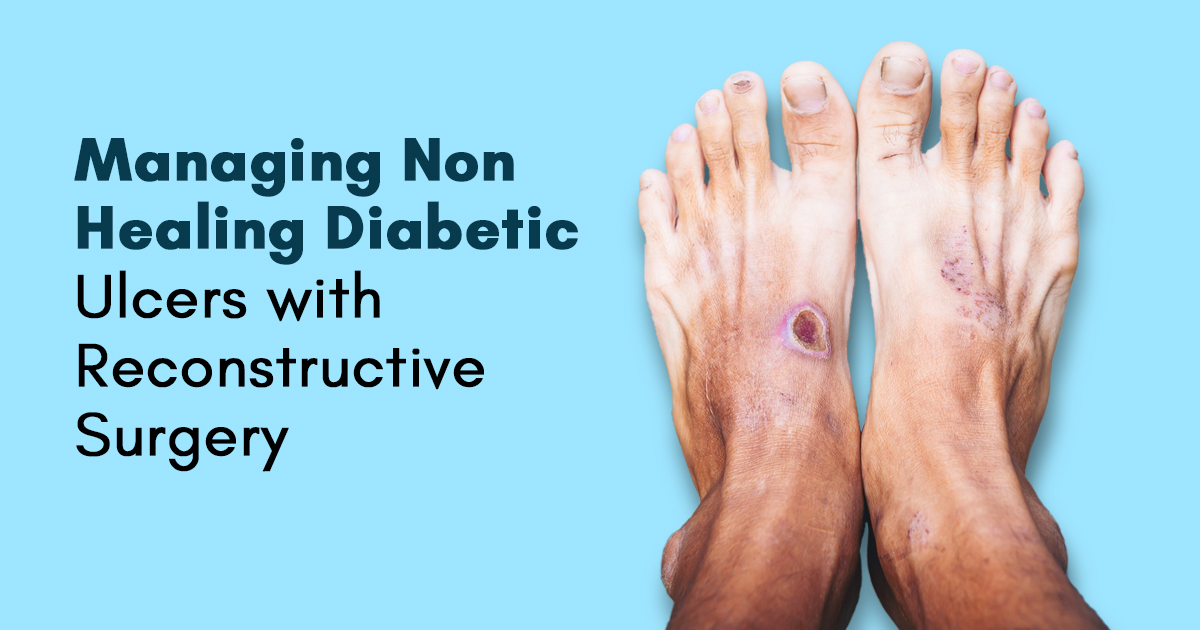
When a wound does not heal by itself, it begins to affect your life. Your weeks may turn into months of dressings, medication, and continuous hospital visits. Simple everyday chores such as walking to the bathroom, standing for some time, or even wearing shoes could become extremely difficult. While many patients live with the fear of getting infected or admitted, or even amputated, it is important to note that flap reconstruction here is not an extreme idea. It is a solution that can give those stubborn ulcers the healthy tissue they need to finally close and stay closed.
What a Non-Healing Chronic Ulcer Looks Like
A wound is often called “chronic” or “non-healing” when it fails to show meaningful progress over several weeks despite appropriate basic care. While it does not shrink, it stays the same or continues to break down. The most common causes may include diabetes with nerve damage, poor blood circulation of the legs, pressure sores in bedridden or wheelchair-bound individuals, and wounds resulting from trauma or infections that have destroyed deeper structures.
In most of these cases, the problem is not just the superficial skin defect that you note. The deeper tissue may be supported by poor blood supply, or can be scarred, have exposed bone, or nonviable tissue. Repeated dressings on top of unhealthy bed tissue often can keep things clean, but usually cannot build new, durable coverage on their own.
What is Flap Reconstruction? How Does it Help?
Flap reconstruction is a method of surgery where healthy tissue, complete with its own blood supply, is brought in to cover a wound that cannot be healed in a reliable fashion on its own. In simple terms, rather than laying a thin layer of skin over the area, the surgeon moves tissue, which is a block that may contain skin, fat, fascia, or muscle that is still attached or reconnected with its blood vessels.
This is different from a skin graft, which is a thin layer of skin placed on top of a wound and is totally dependent on the bed underneath for its blood supply. A flap carries its own blood flow and is therefore much more robust on poorly vascularized or complex wound beds. The additional circulation contributes to the fighting of infection, the promotion of healing, and the protection of deeper structures. The goal here is not just to close the ulcer but to make durable coverage that allows for walking, footwear, and everyday use.
Who Benefits The Most from Flap Reconstruction?
These would include patients with diabetic foot ulcers that continue to reopen, long-standing pressure sores over the heel, sacrum, or trochanter, and post-traumatic or post-infection wounds with exposed bone, hardware, or tendon. Ulcers that continue to break down after skin grafts or conservative care often require flap coverage if they are ever to be truly stabilized. Early referral is extremely important in this case. Waiting until everything else has failed may lead to further tissue loss, infection, or even amputation in severe cases.
An appropriately designed flap, used in carefully selected situations, can be limb-saving, preserving function and independence.
Recovering From a Flap Reconstruction
Following flap reconstruction, patients usually stay a few days or a week in the hospital, according to the flap type and where the wound sits. During that period, the surgeons remain highly attentive to the color of the flap, its warmth, and its capillary refill-those simple, quick signs that blood flow is solid. Usually, pain management is quite straightforward with standard medications.
This would also include taking the pressure off the rebuilt area in the early weeks. Regarding ulcers of the foot or heel, it generally requires particular footwear, splints, or other mobility aids to take the load off the affected area. For diabetics, blood sugar control, regular follow-up consultation of the wound, and avoidance of smoking are all powerful contributors to long-term success.
Most patients report that once the flap has healed, they feel a lot less pain, experience fewer dressing changes, and now have a more stable surface that endures normal activity. Although nothing can promise no recurrence, flap reconstruction markedly lowers the chance of repeated breakdown when combined with proper footwear, continued pressure relief, and good control of any underlying conditions.
Non-healing ulcers should not be accepted as the norm. They are usually a sign that the underlying tissue requires more help than dressings can provide. Flap reconstruction gives a way to rebuild coverage while letting you stay healed. If you or your loved one has a stubborn ulcer that keeps returning, book an appointment with us today to go beyond temporary relief.