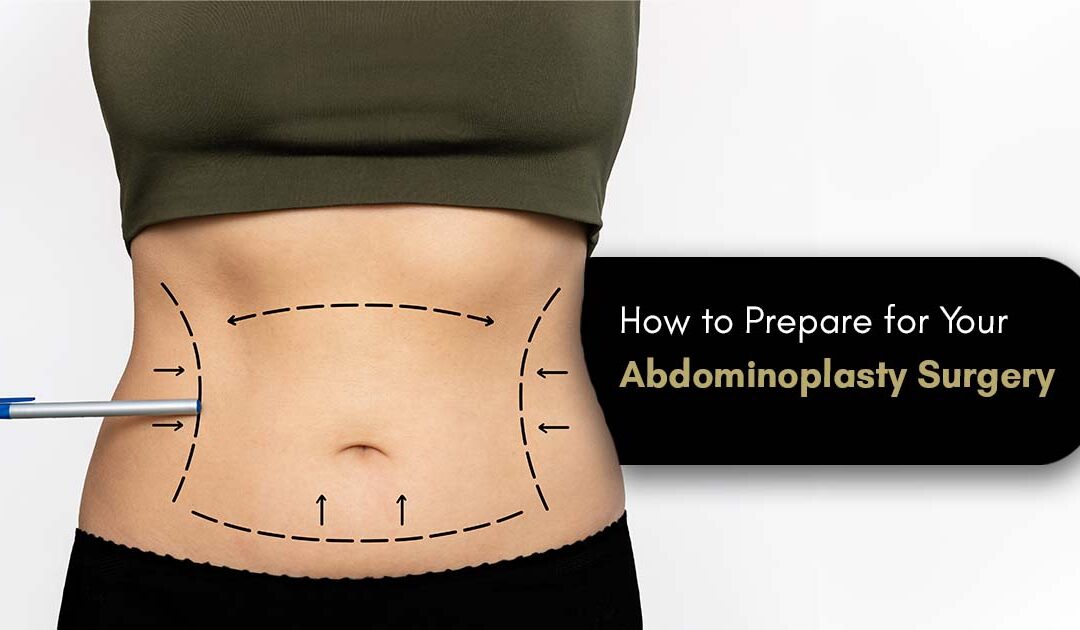
Abdominoplasty, also known as a tummy tuck, is a highly sought-after surgical procedure for individuals seeking a tighter, more contoured stomach by minimizing loose skin and toning abdominal muscle fibers. Although it is a highly effective method of rejuvenating one’s physique, knowledge of how to recover is necessary to ensure a seamless transition back into everyday life.
The time it takes for recovery is based on how much surgery is needed and a person’s healing capacity, but there is a general time frame for all clients, so they know what lies ahead for themselves.
The First Days After Operation
After abdominoplasty, patients are in a recovery ward where there are healthcare professionals keeping an eye on their vital signs. You will typically be discharged from the hospital the same or the following day with bandaging and compression wear, which reduces swelling and supports the healing process. Numbness, tightness, and some degree of soreness in the area around the incision are normal. Rest is essential, activity should be judicious, with short walks which are beneficial for circulation and which lower the risk of blood clots.
You might require assistance in performing everyday tasks like bending, lifting, or holding yourself perfectly straight for some amount of time. Most patients also adopt their sleeping posture in a mild flexure at their hip joint and their knee, not in order to prevent putting too much pressure on their abdominal muscles.
Weeks 1-2
Swelling and bruising usually reach a maximum in the first two weeks, then gradually improve. Resting should be avoided along with heavy lifting and standing for extended hours. Most surgeons remove surgical drains in the first week, with follow-up visits confirming the wound is healing satisfactorily without signs of infection.
Light activity should advance with further blood flow promotion, while omitting problems; any strenuous activity should wait until clearance by your surgeon. Most patients are qualified for returning to desk-type jobs or light work by the second week, contingent upon patient tolerance.
Weeks 3-4
Mobility is considerably enhanced at this point. Positive tolerance for standing up straight is noted in a majority of patients for longer strolls. Swelling continues to remain low but still occurs at times in the lower abdomen.
Compression stockings are still commonly employed for bracing up tissue and for keeping the abdomen in line. Regimes for dealing with scars, including soft massage and use of silicone sheets or gels, can begin with guidance from your care team.
This is a critical period for gradually restoring activity; some mild exercises are allowed, but nothing should be attempted that recruits the core muscles.
Weeks 5-6
Most patients slowly transition back into a routine with some form of exercise with medical clearance. Lifting and straining are typically withheld until at least six weeks or longer, based on healing.
Swelling would now come down considerably, as results are now about to become considerably more obvious. Sun protection for scarring would still be maintained with a balancing regimen for quick healing.
Months 3-6
After a few months, secondary swellings resolve, and abdominal contours take a clearer form. Scars gradually lighten and flatten, but might take a year or so until full maturing is attained.
Most patients are in their regular exercise program again at this date and enjoy the maximum aesthetic and functional benefits of the operation.
To get better quicker, you may take the following steps:
- Take dressing care instructions and activity restrictions given by your surgeon seriously.
- Wearing compression garments as directed for treatment and moulding.
- Adequate fluids and a nutritionally balanced diet supplemented with repair-aiding vitamins.
- Do not smoke or breathe secondhand smoke since it may slow healing.
- Appointment follow-up for all check-ups.
- Listen to your body, rest when you must, and do not push it too much too soon.
Abdominoplasty is life-altering but needs patience and loving care in its recovery process. Most patients do best when gently directed towards a complete, active life while still enjoying their improved abdominal contour as well as their newfound self-confidence.